
YouTube is the most expensive channel on this list to build and the slowest to pay you back. It is also the only one where a video you publish today can still be bringing in customers in three years. Here is what the numbers actually say about whether that trade is worth it for you. This is one section of a larger piece; the full comparison table puts all nine channels side by side.

 YouTube is the slowest to build and the only one that keeps paying
YouTube is the odd one out, because it is really a search engine wearing a social network's clothes. That changes everything about whether it is worth it:
- Reach does not need followers, but it is earned slowly. Browse, Suggested and Search recommend on watch time and satisfaction, not on whether the viewer subscribes, so a new channel can surface. Shorts are the fastest lever and took roughly 75% of all YouTube views in 2025, judged purely on watch-time-per-impression. The catch is the tail: only about 0.33% of videos ever pass 100,000 views.
- It is by far the most expensive post to make. A standard long-form video runs roughly 7 to 10 hours each (one 2025 tracking study clocked an average of 9.7 hours), and editing alone is about 30% of that. Shorts are cheaper at 1 to 5 hours. This is the highest skill and gear bar of any platform here: scripting, a decent camera and mic, thumbnails, real editing.
- Cadence to grow is demanding but not insane. Channels posting 12+ videos a month grew subscribers about 66% faster than those posting once or twice. Mixing Shorts and long-form grows subscribers around 35% faster than either alone: Shorts get you seen, long videos get you subscribed.
- YouTube takes months of weekly uploads before subscribers arrive. From a cold start with weekly uploads, a meaningful subscriber base and the monetization bar (1,000 subscribers plus 4,000 watch hours) typically takes many months to a year or more.
- A good YouTube tutorial keeps pulling views for months or years. A good tutorial keeps pulling search and suggested views for months to years. Cited relevance windows run from 20 days to 2 years. Every video is a compounding asset, not a disposable post.
- YouTube converts best, because search-driven viewers arrive with intent. Search-driven viewers ("how to do X") arrive with intent, links in the description open in a real browser, and long-form lets you actually demonstrate a product before the call to action. For anything that benefits from being shown, this is the strongest conversion channel here.
YouTube is a 6-to-12-month investment, not a quick win. You pay the most per post and wait the longest for traction, and in return you build a searchable library that keeps sending you high-intent visitors long after you stopped uploading. It is the only channel on this list where the work compounds.
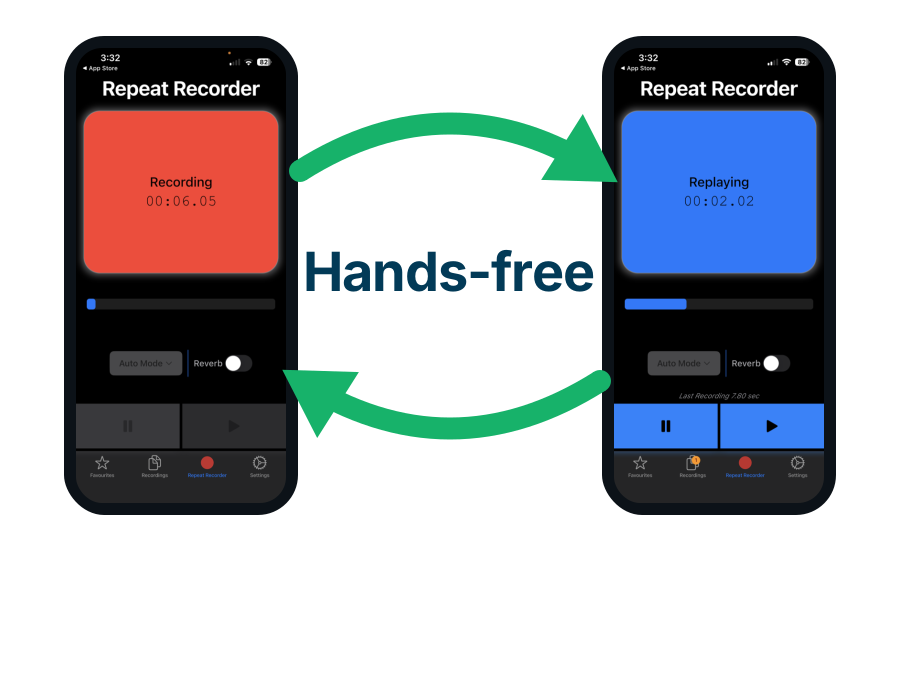
Use Repeat Recorder to rehearse a video script before filming
A long YouTube video costs 7 to 10 hours to make and about 30% of that is editing, and a large part of the editing is deleting the takes where you stumbled over a sentence. The cheapest hour on a YouTube video is the one you never have to film twice. Repeat Recorder, one of my own apps, records you saying a line, plays the take straight back, and starts recording again without you touching the phone.
- Repeat Recorder replays each take on its own and then starts recording again, so you can run the same sentence twenty times without picking the phone up. That is the entire app. It was built for people drilling a phrase in a new language and for singers practising, and saying a piece to camera until it comes out clean is the same job with different words.
- Editing is roughly 30% of the 9.7 hours an average YouTube video takes, and most of that time goes on cutting out fluffed takes. A sentence you have already said out loud five times tends to come out right on the first or second take on camera, so there is simply less to cut afterwards.
- Takes worth keeping go into favourites and into folders you name yourself, so two versions of the same opening line sit next to each other. Channels posting 12 or more videos a month grew subscribers about 66% faster than channels posting once or twice, and that pace only holds if preparing each video gets quicker rather than slower.
Conclusion: YouTube is worth growing if you can wait a year
- YouTube is really a search engine, so it recommends videos on watch time rather than on how many subscribers you already have. A brand new channel can be put in front of strangers with no audience at all, and Shorts are the fastest way in, taking roughly 75% of all YouTube views in 2025.
- One long YouTube video takes 7 to 10 hours to make, and only about 0.33% of videos ever pass 100,000 views. Editing alone is about 30% of the 9.7 hours an average video costs. Nothing else on this list asks for that much work per post, and nothing else keeps paying either, because a good tutorial goes on pulling views from search for months or years after you publish it.
- Post both Shorts and long videos, and expect six to twelve months of weekly uploads before a new YouTube channel has an audience. Channels posting 12 or more videos a month grew subscribers about 66% faster than channels posting once or twice, and mixing the two formats grows subscribers around 35% faster than either alone, because Shorts get you seen and long videos get you subscribed.